Repainting the outside of your home is one of the highest-impact upgrades you can make. A fresh coat protects your siding, lifts your curb appeal, and shields wood and trim from our humid Midlands weather. But in South Carolina, when you paint matters almost as much as how well you paint. Get the timing right and your finish sets up evenly and lasts for years. Get it wrong, and you can end up with lap marks, poor adhesion, and a repaint far sooner than you'd like.
Here's how we think about seasonal timing for exterior painting in Columbia and across the Midlands.
Why Timing Matters So Much Here
Columbia isn't called "Famously Hot" for nothing. Our summers bring long stretches of 90-plus-degree heat, thick humidity, and near-daily afternoon thunderstorms. Winters are mild by national standards but still deliver cold snaps and heavy overnight dew. Both extremes work against a clean, durable paint job.
Exterior paint isn't finished the moment it's "dry to the touch." Acrylic-latex coatings form their film as water evaporates and the resin particles knit together, then continue to harden over days as they fully cure. Temperature and humidity control that whole process. The Midlands' swing from muggy summers to damp, chilly winters leaves two clear windows where conditions line up nicely: spring and fall.
The Ideal Temperature and Humidity Window
As a general guideline for modern acrylic-latex exterior paints:
- Air and surface temperature: roughly 50°F to 85°F, ideally staying above about 50°F overnight so the film keeps setting after you stop for the day.
- Relative humidity: below about 70% is comfortable. Lower is better.
- Dew point: the surface should sit at least a few degrees above the dew point, so moisture isn't condensing on it as the paint sets.
These are rules of thumb, not hard limits. Some premium exterior coatings, including several lines carried by partners like Sherwin-Williams, are rated for application in cooler temperatures than a standard paint, which can stretch the season on either end. We always paint to the manufacturer's data sheet and the day's real conditions, not just the calendar.
Spring: A Strong Window (With One Local Catch)
From late March through May, the Midlands settles into mild days, cooler nights, and moderate humidity, which is close to ideal for exterior work. Daytime temperatures often land in that comfortable 60s-to-70s range, and rain tends to be more predictable than the surprise storms of summer.
The one local catch is pine pollen. If you've spent a spring in Columbia, you know the yellow-green dust that coats everything for a few weeks. Painting over pollen-covered siding invites adhesion problems, so a thorough wash right before painting matters even more this time of year. More on prep below.
Fall: Often the Best Time to Paint in Columbia
For many Midlands homes, fall is the sweet spot. From September into November, the oppressive summer humidity breaks, afternoon storms taper off, and we get long runs of warm, dry, stable days with cool-but-not-cold nights. That combination gives paint the time it needs to flash off and set up properly before evening dew arrives.
Fall also lets you seal up your exterior ahead of winter's damp, protecting caulk lines and wood trim through the wetter months. If you can only pick one season, autumn in Columbia is hard to beat.
Why Peak Summer Fights You
It's tempting to knock out a paint project during long summer days, but July and August in the Midlands are tough on exterior coatings:
- Direct heat dries paint too fast. On a sun-baked wall, the surface can skin over before the paint has leveled and bonded, leaving lap marks and weak adhesion.
- Afternoon thunderstorms. Our near-daily pop-up storms can wash out fresh, uncured paint with little warning.
- High humidity. Muggy air slows evaporation, so the film stays soft longer and stays vulnerable to dirt and moisture.
Summer painting isn't impossible; it just means following the shade around the house, starting early, and watching the radar closely. Spring and fall simply make the job easier and the result more reliable.
Winter: Milder, But Still Risky
Midlands winters are mild, but they bring their own problems. Short days limit working and drying time, cold snaps can drop temperatures below the safe range on the wall and overnight, and heavy dew leaves moisture on siding well into the morning. Painting onto a damp or too-cold surface is a recipe for poor adhesion and a finish that fails early. On a run of dry, mild days it can be done with the right products and a careful eye on the forecast, but the margin for error is thinner.
The Humidity Factor Homeowners Miss
Humidity is the variable homeowners overlook most, and it carries real weight here. Because acrylic-latex paint gives up water as it sets, saturated air leaves that moisture with nowhere to go, so the coat stays soft and open to dew, rain, and dust for longer. When fresh paint gets hit by moisture before it has set, you can also see surfactant leaching, the tan or glossy streaks that sometimes show up on newly painted walls. The fix is timing: work during drier stretches and stop early enough in the day to beat the evening dew.
Signs Your Home Is Ready for a Repaint
Not sure whether it's time? Walk your home's exterior and look for:
- Fading, chalky, or uneven color, especially on south- and west-facing walls that take the most sun.
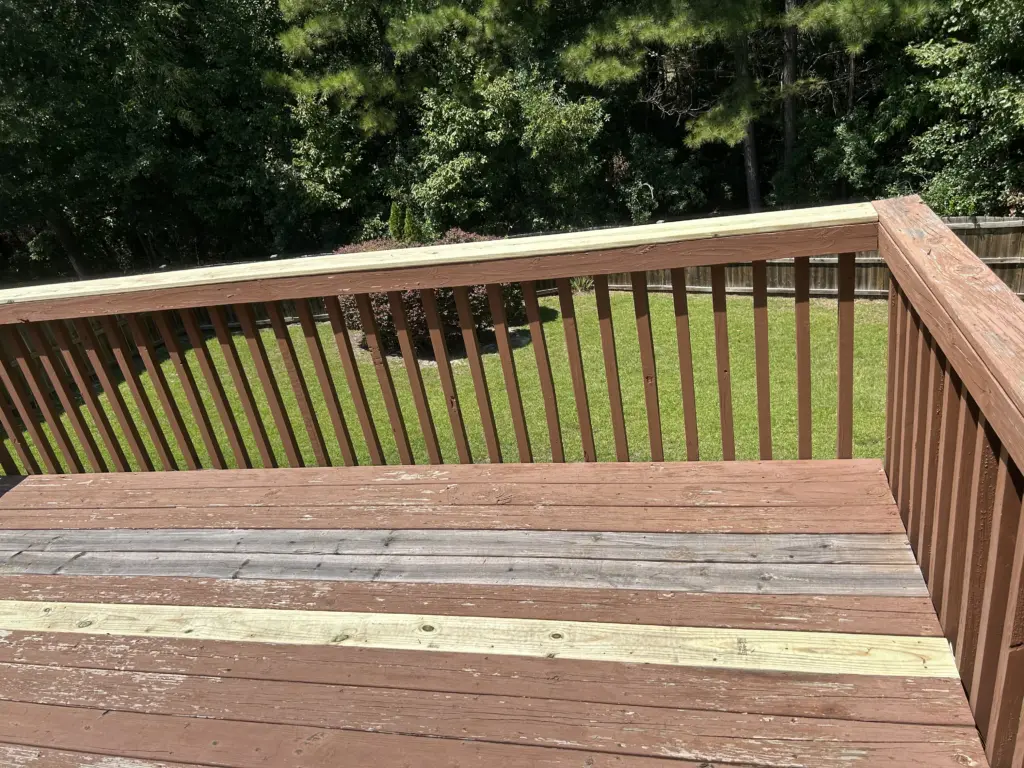
- Cracking, flaking, peeling, or bubbling paint.
- Bare or graying wood on trim, fascia, or siding.
- Gaps or splits in the caulk around windows, doors, and trim.
- Mildew spots or dark streaks, common in our humid climate.
Catching these early is about more than looks. Sound paint and caulk are your home's first line of defense against Midlands moisture and wood rot.
Prep Comes First: Don't Skip the Wash
Even in perfect weather, paint only lasts if the surface underneath is clean and sound. In our climate, exteriors collect pollen, dust, mildew, and grime that keep a new coat from bonding. A proper pressure wash, or a gentler soft wash where the siding calls for it, clears all of that away and gives the paint a clean, dry foundation to grip.
Good prep also means scraping loose paint, sanding rough edges, spot-priming bare wood, and re-caulking gaps before a single finish coat goes on. It's the least glamorous part of the job and the single biggest reason a paint job either lasts or peels. We take it seriously.
The Bottom Line for Midlands Homeowners
In Columbia and the surrounding Midlands, spring and fall are your best bets for exterior painting. Mild temperatures, manageable humidity, and steadier weather give a new finish the conditions it needs to cure hard and last. Summer heat and winter dew both stack the deck against you.
Every home is a little different, though, and the right window depends on your siding, your exposure, and the forecast. If you're weighing a repaint in Columbia, Northeast Columbia, Blythewood, Irmo, Lexington, Chapin, or anywhere across the Midlands, we'd be glad to take a look, talk through the timing that fits your home, and put together a free, no-pressure estimate for your project.
Get a free estimate
Planning a project in Columbia or the Midlands? We’d love to help.